Ranveer Singh Revises Apology in Court
Bengaluru, April 2026: Bollywood actor Ranveer Singh has filed a revised affidavit before the Karnataka High Court in connection with the ongoing Kantara controversy. The move comes after the court observed that his earlier response lacked clarity and did not reflect adequate remorse.
In the updated submission, Ranveer has expressed regret over the incident, stating that there was no intention to hurt religious sentiments. According to his legal team, the actor acknowledged the sensitivity of the matter and assured the court of his respect towards regional culture and traditions.
As part of the court’s direction, Ranveer has also agreed to visit the Chamundi Temple in Mysuru and offer prayers — a gesture seen as an attempt to address public sentiment and de-escalate the situation.
What Triggered the Controversy
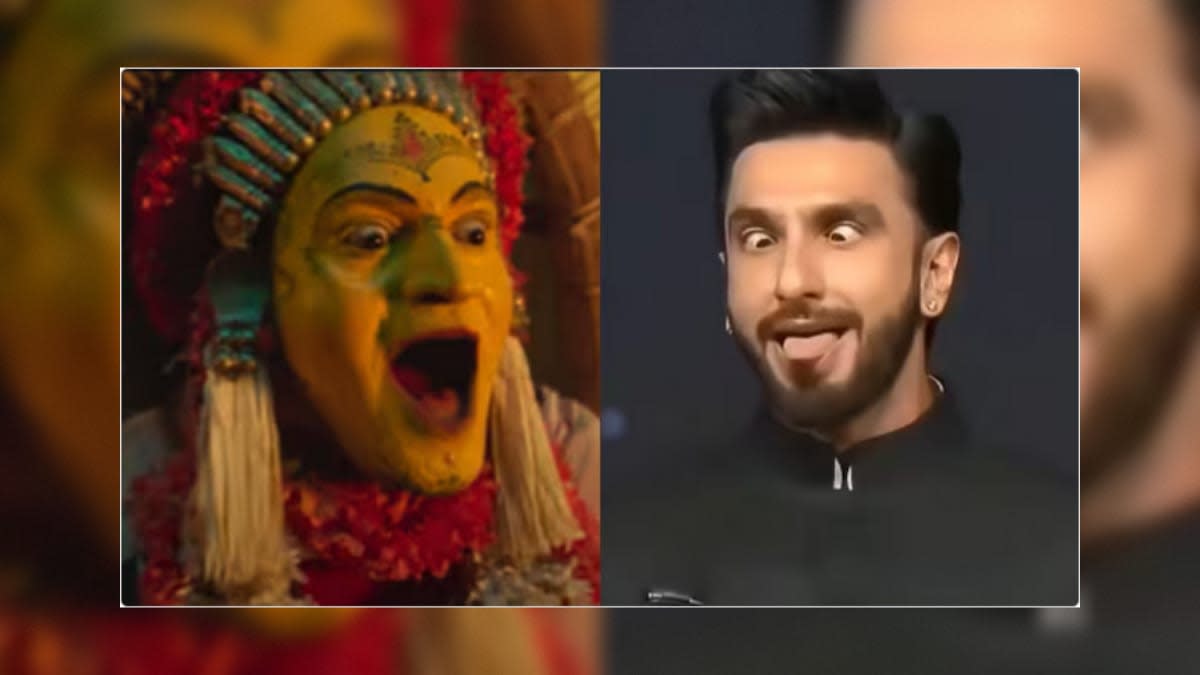
The issue dates back to a public event where Ranveer attempted to recreate the iconic “Varaha Roopam” sequence from Kantara. The clip quickly went viral on social media, drawing criticism from a section of Kannada audiences and devotees.
Many viewers felt that the performance — though seemingly light-hearted — came across as disrespectful to a culturally and spiritually significant depiction. The scene in question holds deep emotional and religious value, especially in Karnataka.
Interestingly, actor-director Rishab Shetty, who was present at the event, was seen signalling Ranveer to stop — a moment that further intensified the backlash online.
Legal Status & Next Steps
The matter is currently sub-judice, with the court expected to review the revised affidavit in the coming days. Legal observers believe that Ranveer’s updated stance, along with the symbolic temple visit, may help ease tensions and lead to a resolution.
For now, the actor has maintained a relatively low public profile on the issue, focusing instead on professional commitments following the success of his recent release Dhurandhar: The Revenge.
Why This Issue Matters
This controversy once again highlights how regional cinema and cultural symbols carry deep emotional weight, especially when they achieve nationwide popularity.
Kantara was not just a box office success — it became a cultural phenomenon, making any reference to its themes highly sensitive. Public figures today are increasingly expected to navigate such spaces carefully, particularly when engaging with religious or traditional elements.